Category: AI Pragmatism
-
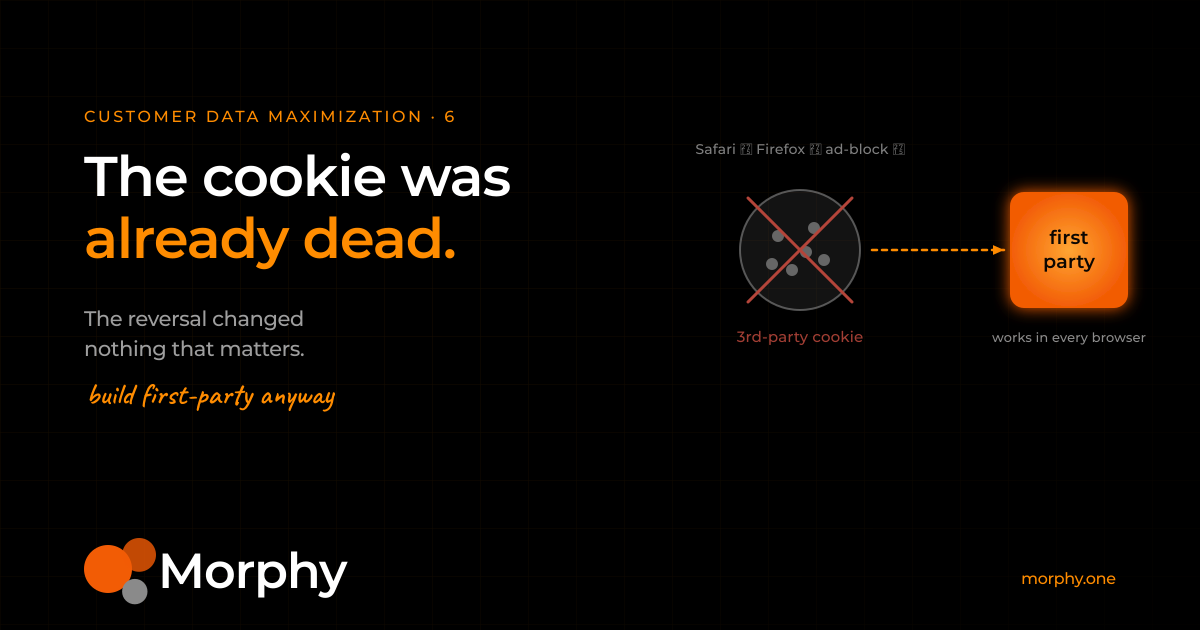
Is the third-party cookie back? What the reversal really means
Google cancelled cookie removal in Chrome, and many marketers read it as a reprieve. That read is wrong. Safari and Firefox still block cookies, and the fix is to keep building first-party data regardless.
-
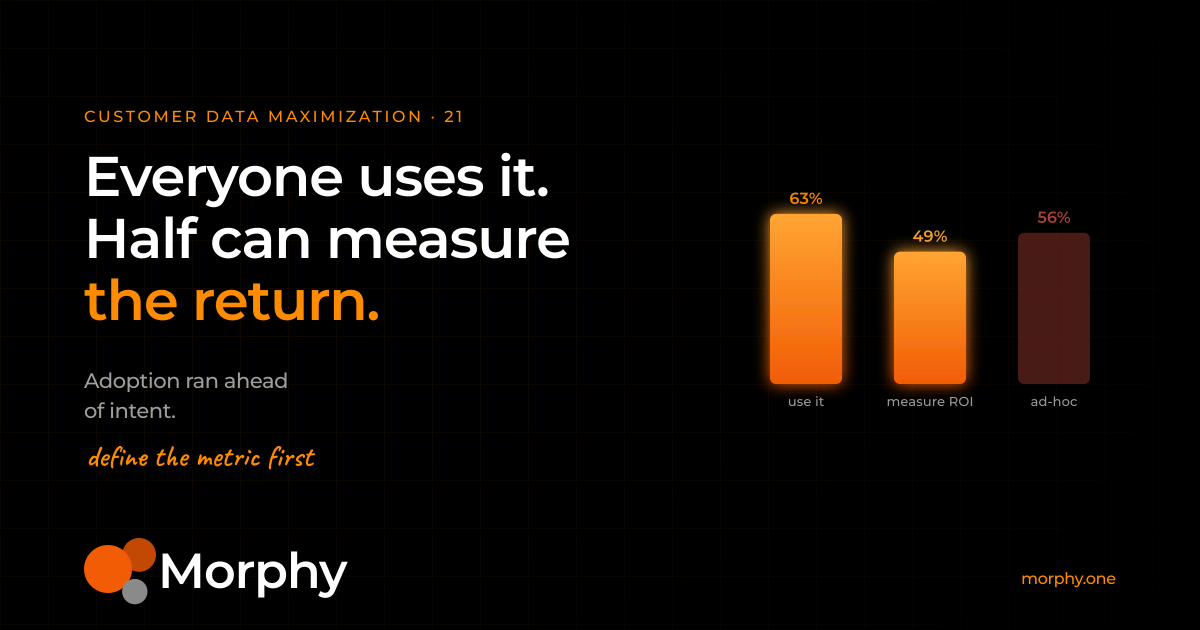
Why can’t you measure generative AI ROI, and how do you fix it?
Most teams adopted generative AI to keep pace, then never set an outcome to measure against. The fix is to pick each use case by the business result it should move, and name the metric before you switch it on.
-
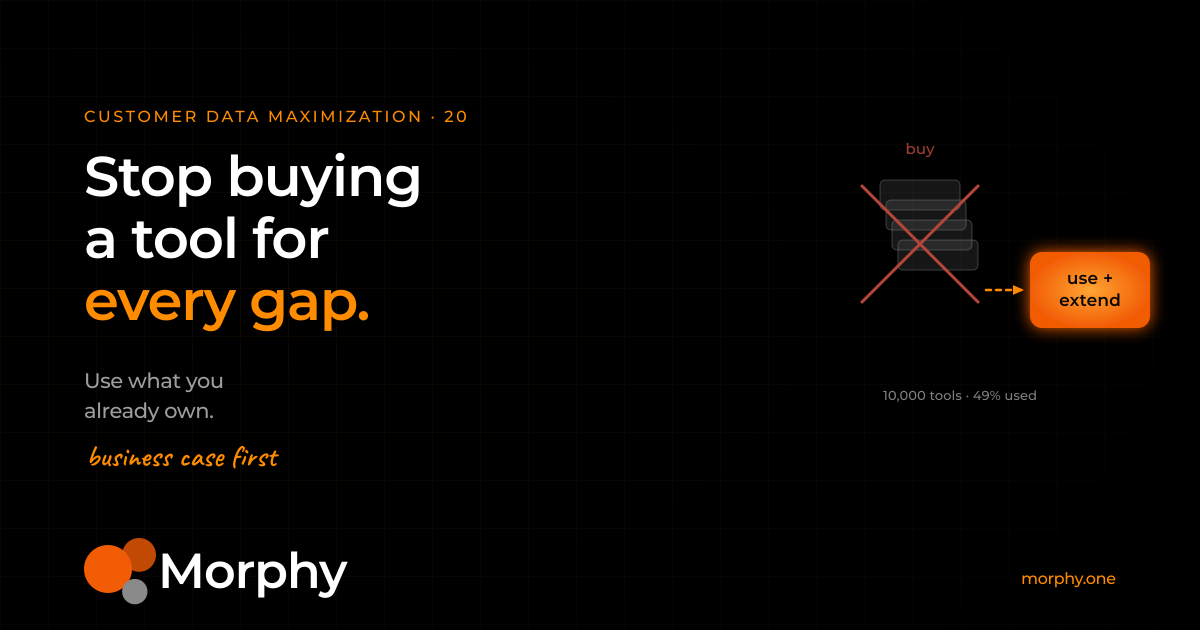
Stop buying a tool for every gap. Use what you already own first
Every gap feels like it needs a new tool. That reflex built the sprawl you already own half of. Default to what you have, and make every purchase earn a business case.
-

Why the MQL is costing you revenue, and what to measure instead
The MQL rewards volume the board cannot bank. Fewer than 13% convert to sales-qualified and under 1% close. Retire MQL volume as a board metric and measure revenue-integrated outcomes instead.
-

You use half your martech. How to get revenue from the stack you own
Marketers use 49% of their martech capability. Every gap triggers another licence, and the last one never got rolled out. The fix is not another tool. Audit against real use, cut the redundant, and fund the people who run it.
-

Why does identity resolution fail, and how do you fix it?
Identity resolution is the layer every other data project stands on, and the one most teams skip. Below 60% coverage your personalisation and attribution are guesses. Build the spine deterministically.
-

Why don’t your systems talk, and how do you pay down integration debt?
The average enterprise runs close to 900 apps and only a third connect. Each disconnected system is a fresh silo. Pay it down by standardising on API-first tools and a shared data model, and making interoperability a buying criterion.
-
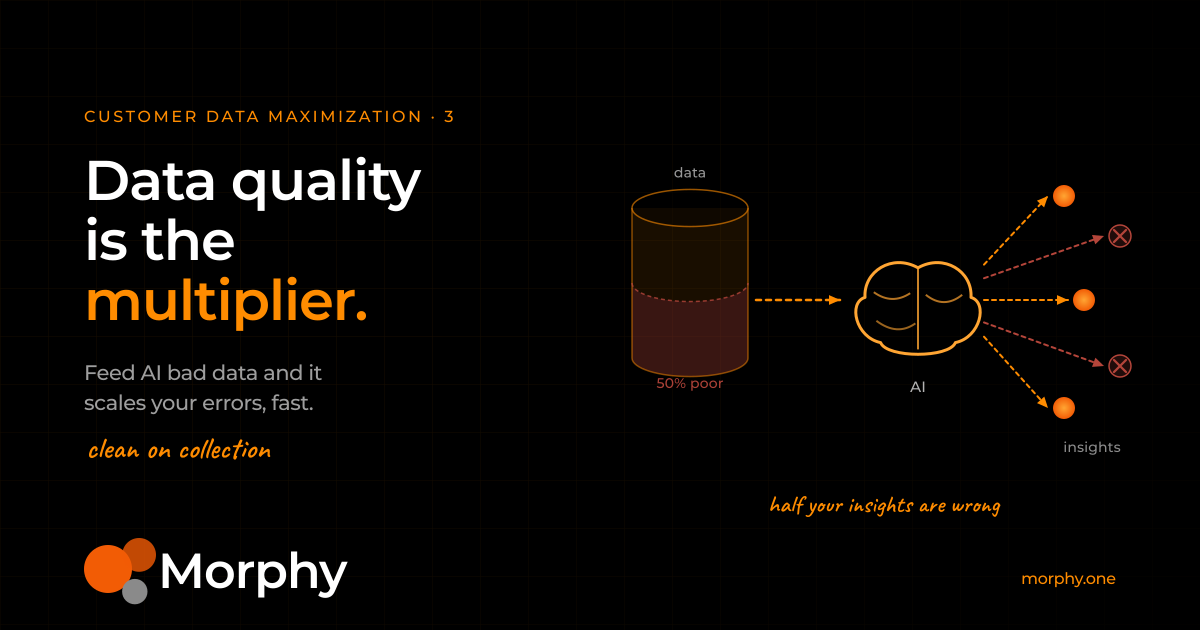
How does poor data quality undermine AI, and how do you fix it?
Feed a model bad data and it scales your errors instead of your revenue. Poor data quality costs the average company 12.9 million dollars a year. The fix is a habit, not a one-off cleanup.
-
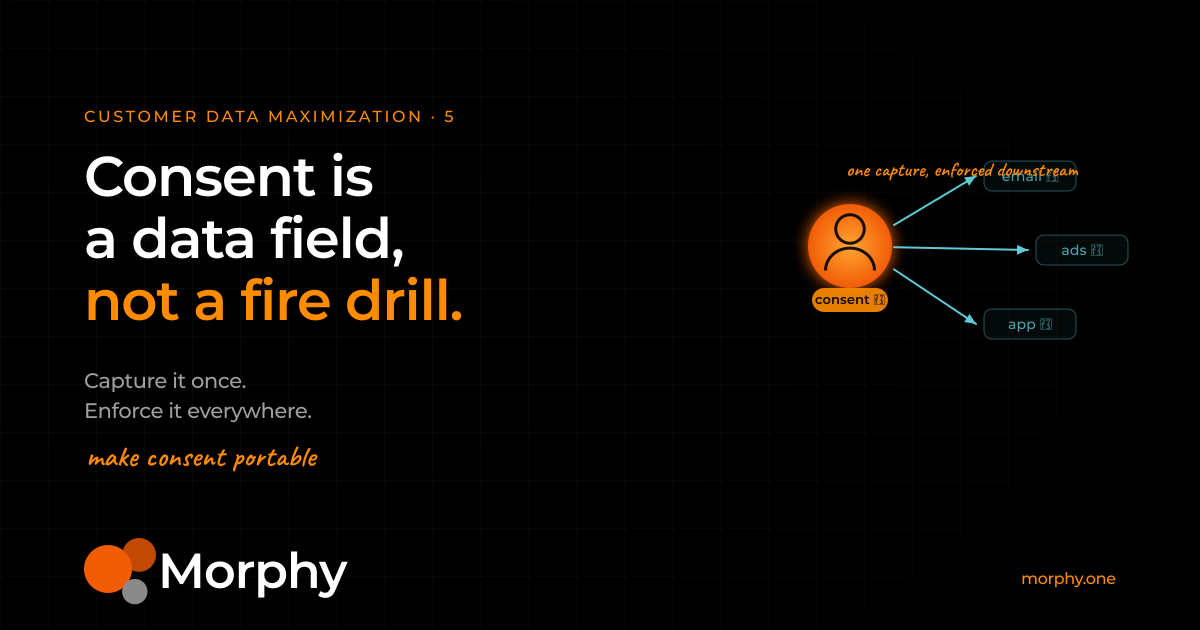
How do you handle consent and privacy without killing personalisation?
Privacy rules feel like they block personalisation because consent lives apart from the profile it governs. Treat consent as a first-class data type: captured once, enforced everywhere. Then it stops fighting revenue.
-

Why did your CDP become another silo, and what replaces it?
You bought a CDP to end the single-view problem. Layered onto fragmented systems, it became one more isolated store holding partial profiles. The fix is composable: the warehouse as the single store, with identity, modelling, and activation as services on top.